By Amelia Cosgrove

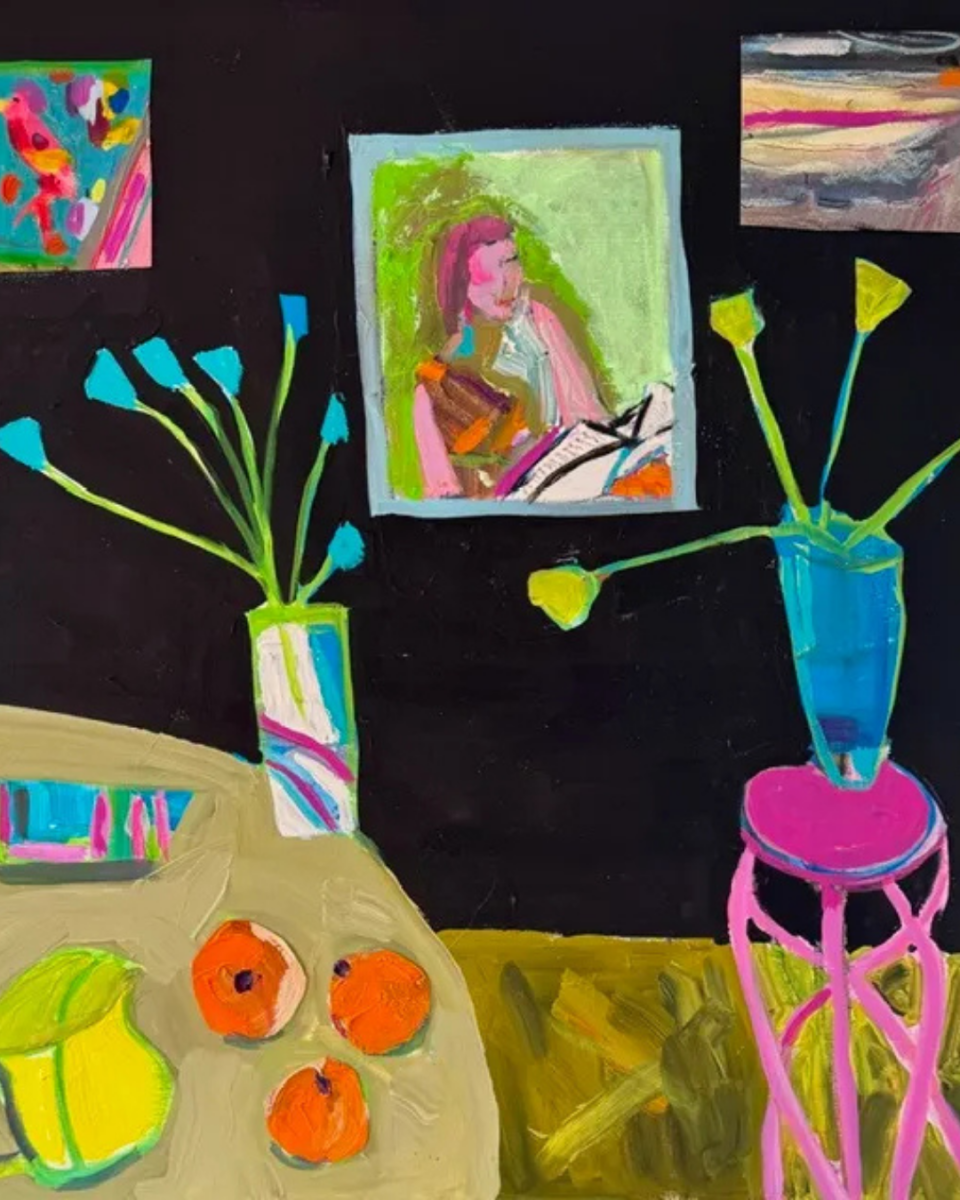
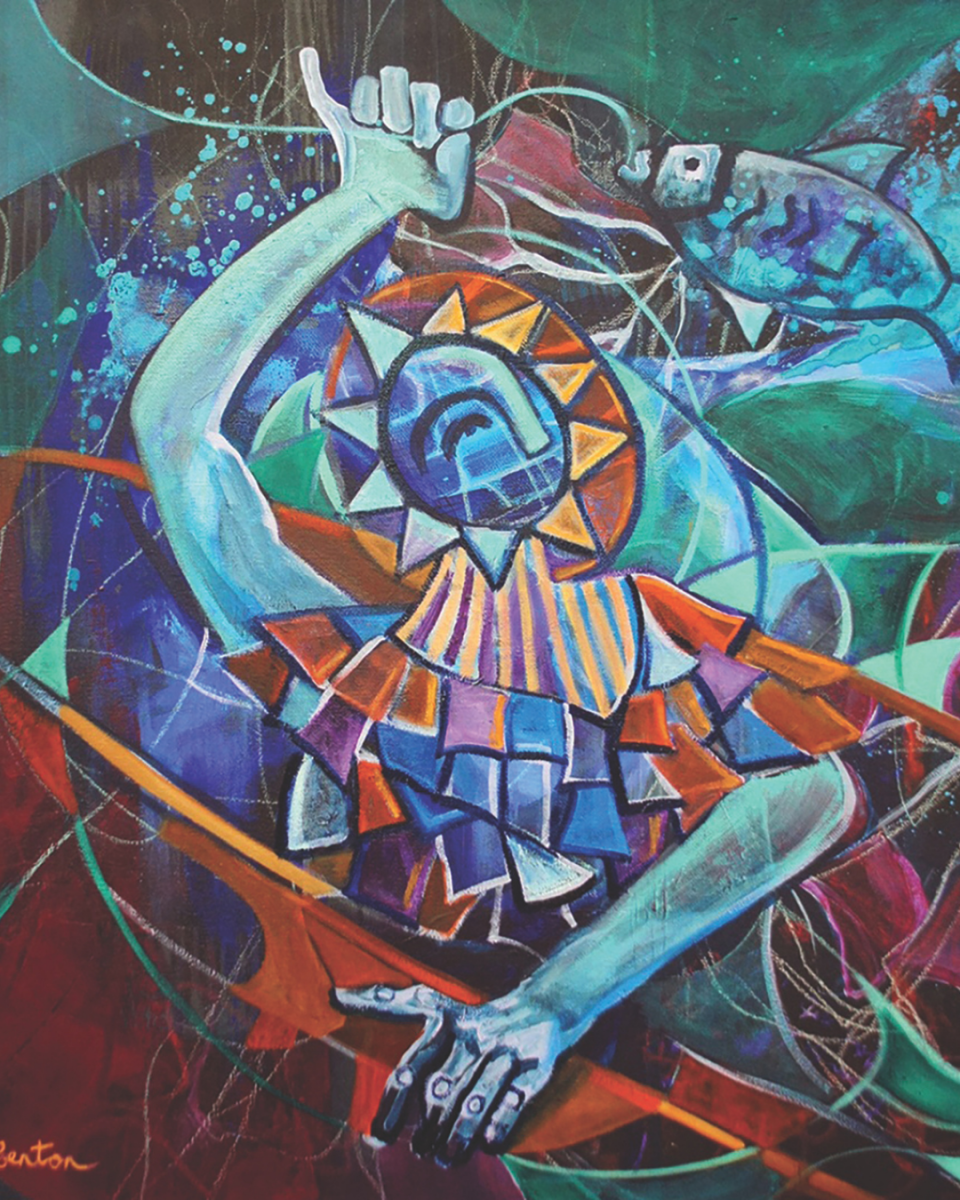
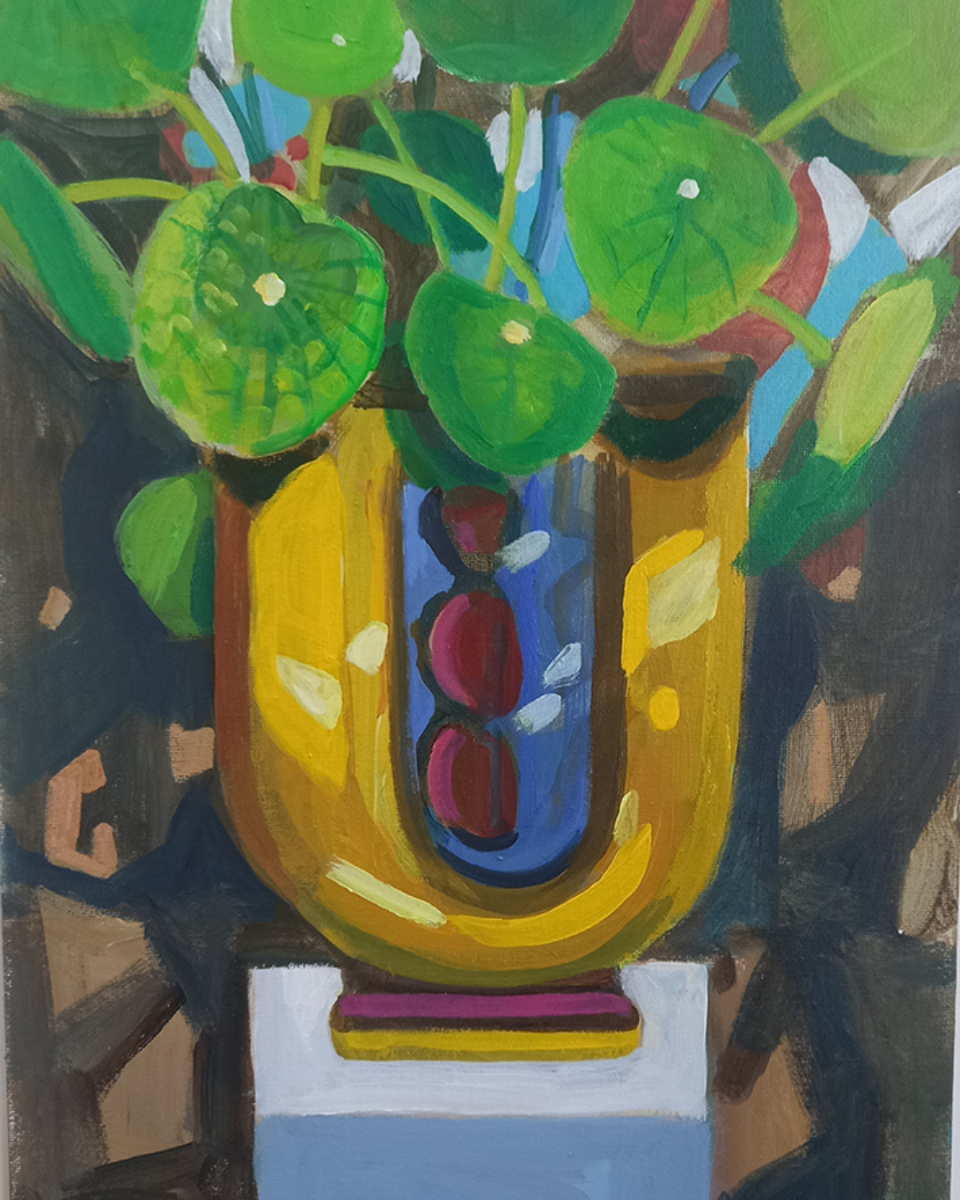
To mark its 120th anniversary Lincolnshire Artists’ Society (LAS) will exhibit 130 of its members’ works at the city’s Usher Gallery.
The showcase will run from Sunday, November 15 until March 14, 2027, alongside a programme of pop-up artist residencies running into February.
The anniversary has earned the show an especially glamorous opening act as Dame Barbara Rae CBE RA - Royal Academician, master printmaker, and internationally recognised as one of Britain's great colourists - has agreed to open proceedings.
LAS's roots go back to 1906, when it began life, rather modestly, as a drawing club and over the decades its purpose has been a constant… to showcase its artists. The original invitation to the first exhibition by the Lincolnshire Drawing Club is pictured below.
Lisa Tank is LAS's Secretary and Vice Chair and one of the people largely responsible for herding 180-odd artists, a selection committee and a Royal Academician into one coherent show. "The thinking is, as always, to ensure we curate a fantastic exhibition which showcases the best work from our members, who are all Lincolnshire based artists. It is a privilege to exhibit with the prestigious Usher gallery, and as such, we always get a very high standard of submitted pieces from the members."
The numbers back her up as this year's open call drew 173 submissions across 2D and 3D work, with each artist submitting up to three pieces, but the selection committee whittled these down to ‘only one or two pieces per person’.
The result; 130 pieces from 80 artists – with the majority up for sale to anyone tempted to take a little bit of Lincolnshire home with them.
When asked what’s kept LAS relevant across 12 decades, through two World Wars, the invention of the selfie and myriad changes in fashionable art movements, Lisa’s answer is straightforward: “Keeping the work new.”
LAS’s exhibition rules require submitted work to have been completed within the previous three years and never previously been exhibited by the Society. The membership itself continues to change: 17 new members joined in 2025, followed by another intake in 2026, bringing new practices and perspectives into the mix.
The exhibition underlines Lincoln’s contemporary arts scene, which complements its heritage and visitor attractions.
"There is something particularly lovely about experiencing art in a historic city like Lincoln, with the contrast of the old and the new," said LAS member Rachel Rogers.
"Hopefully exhibitions such as the LAS exhibition at the Usher encourage people not only to enjoy Lincoln's rich history but discover its vibrant artistic community too."
Pop-in to the Pop-Up
The pop-up residencies bring the artist into the frame, giving visitors the chance to meet the person behind the finished work, and if they want to, unpack their interpretation with the artist themselves - discover who is at The Usher and when via https://lincolnshireartistssociety.org/annual-las-show-2026-pop-up-residencies/
‘‘It gives visitors the chance to ask questions and adds another level of interest, interactivity, and makes art feel more accessible,” Tank explains. “It encourages a two-way approach and aims to encourage and inspire.”
One of the artist’s taking part is Rachel Rogers, who's exhibiting two seascapes inspired by the Cornish coastline - proof that even a show all about Lincolnshire artists doesn't confine its imagination to the county line.
Don't expect postcard realism: “I'm interested in capturing the atmosphere and emotion of a place rather than depicting it realistically, using mixed media, expressive mark making, and layers of colour and texture.
For Rachel, sitting beside her own work for a day isn't about showing off a finished product so much as letting people in on the mess that got it there.
“I think it makes the work much more personal when people meet the artist. They can discover the story behind a painting, what inspired it and how it evolved. Being able to talk about that process can give visitors a different understanding of the finished work.”

Lincoln’s Artistic Identity
Alongside Lincoln’s history and heritage, there's a genuinely thriving contemporary art scene; galleries, artisan shops, open studios, regular art trails – and a crossover between old and new that feels more collaborative than competitive.
This year, the Usher exhibited Matthew D. Wright’s The Papestry, a six-metre tribute to Lincoln’s historic streets inspired by the Bayeux Tapestry, while the Cathedral hosted contemporary photography and Creative Reactions, where artists responded to scientific research inside its medieval setting. Lincoln’s history isn’t simply preserved here – it’s being reinterpreted through new creative eyes.
As Lisa explained: "There are already strong and established links between the contemporary art scene, artists and the history and heritage" – the LAS's own 120-year run being rather good evidence of that.
For Phil Bowman, owner of Gallery at St Martin’s and a practising artist himself, Lincoln’s creative community has always been there. What’s changed, he says, is the opportunity for it to be seen – with social media helping local artists reach audiences far beyond the city.
He cites General Practice, the Usher, free exhibitions and its independent galleries a proof the community is thriving but believes more can be done for emerging artist: “I suppose what could make it more accessible is if studios were more affordable to hire or rent.”
With its 120-year history of bringing Lincolnshire artists together, LAS is one part of the network that keeps that creative scene evolving.
Rachel sums up art in the city perfectly: "There is something particularly lovely about experiencing art in a historic city like Lincoln, with the contrast of the old and the new.
"Hopefully exhibitions such as the LAS exhibition at the Usher encourage people not only to enjoy Lincoln's rich history but discover its vibrant artistic community too."
So, with 130 works, 80 artists, a Royal Academician cutting the ribbon, and a run of pop-up residencies designed to put faces to the frames, this year's show is less a retrospective than a portrait of a Society very much still in progress – 120 years old, but still adding new colours to the picture.