


By Amelia Cosgrove

From its football team winning promotion as champions to professional cyclists tackling Michaelgate and thousands of runners filling its streets, Lincoln’s sporting calendar adds another dimension to the city’s identity.
But are the mass participation events establishing Lincoln as a destination known for its sport, as well as its heritage?
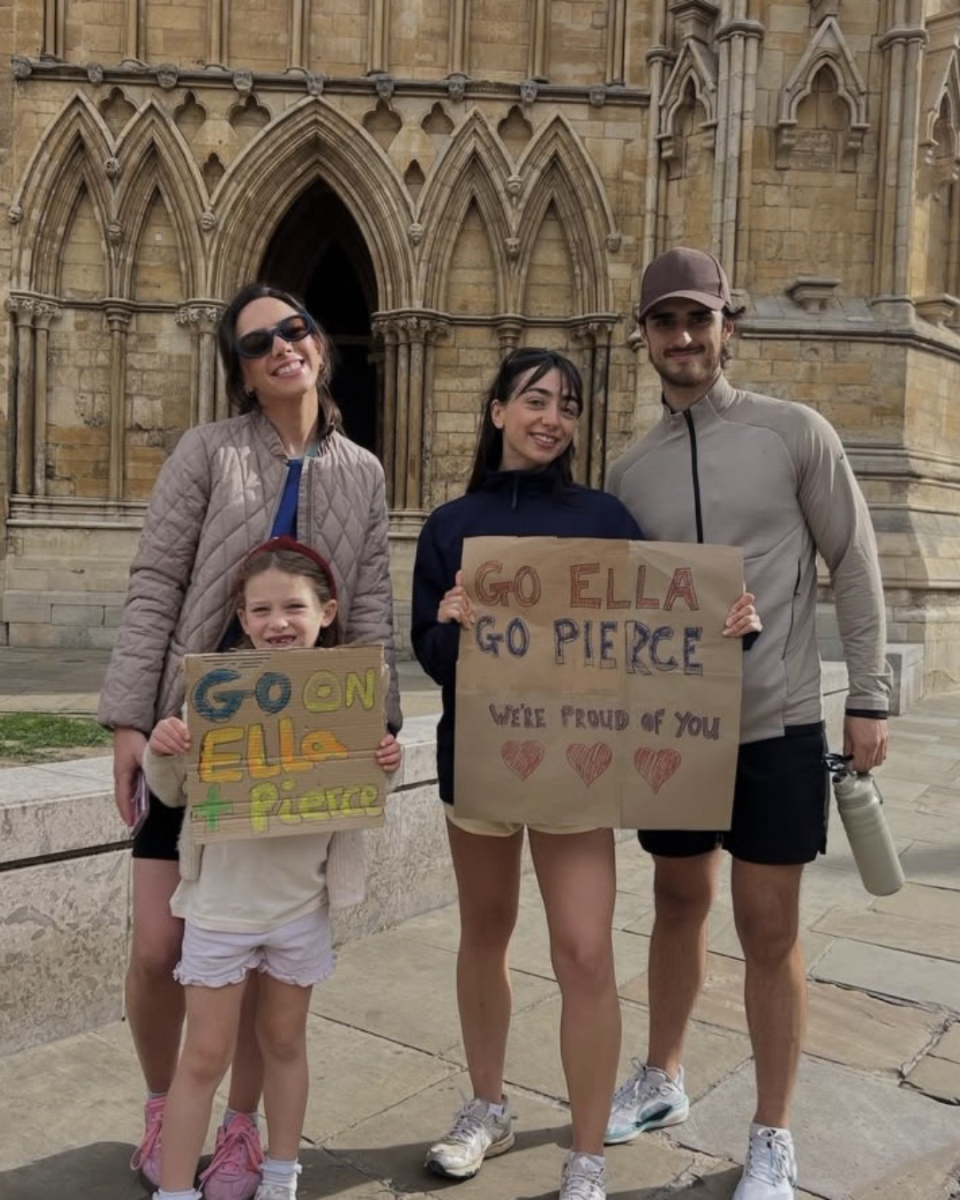
On Sunday 4 October, I joined the crowds cheering on my sister and her partner as they ran the Lincoln Half Marathon. Armed with a handmade family banner, we watched them race through the city before heading to the Lion and Snake for the post-race celebrations. The runners had done the hard part; the rest of us had earned a pub stop by association.
Around 2,000 competitors took part, with Charlotte Knowles winning the women’s race in 1:17:38 and Tom Straw taking the men’s title in 1:10:32.
But the significance of the day went beyond the finish times. For a few hours, Lincoln belonged to a sport, which included both the supporters and the brave souls who had decided that Sunday morning was best spent voluntarily running 13.1 miles.
With the Lincoln Grand Prix, the 10K, Half Marathon, Tour of Britain and the Santa Fun Run all on the calendar this year, sport is another way Lincoln introduces itself to the world.
But are these events simply filling the streets for a day, or beginning to change how the city is seen, and more importantly, why people visit?
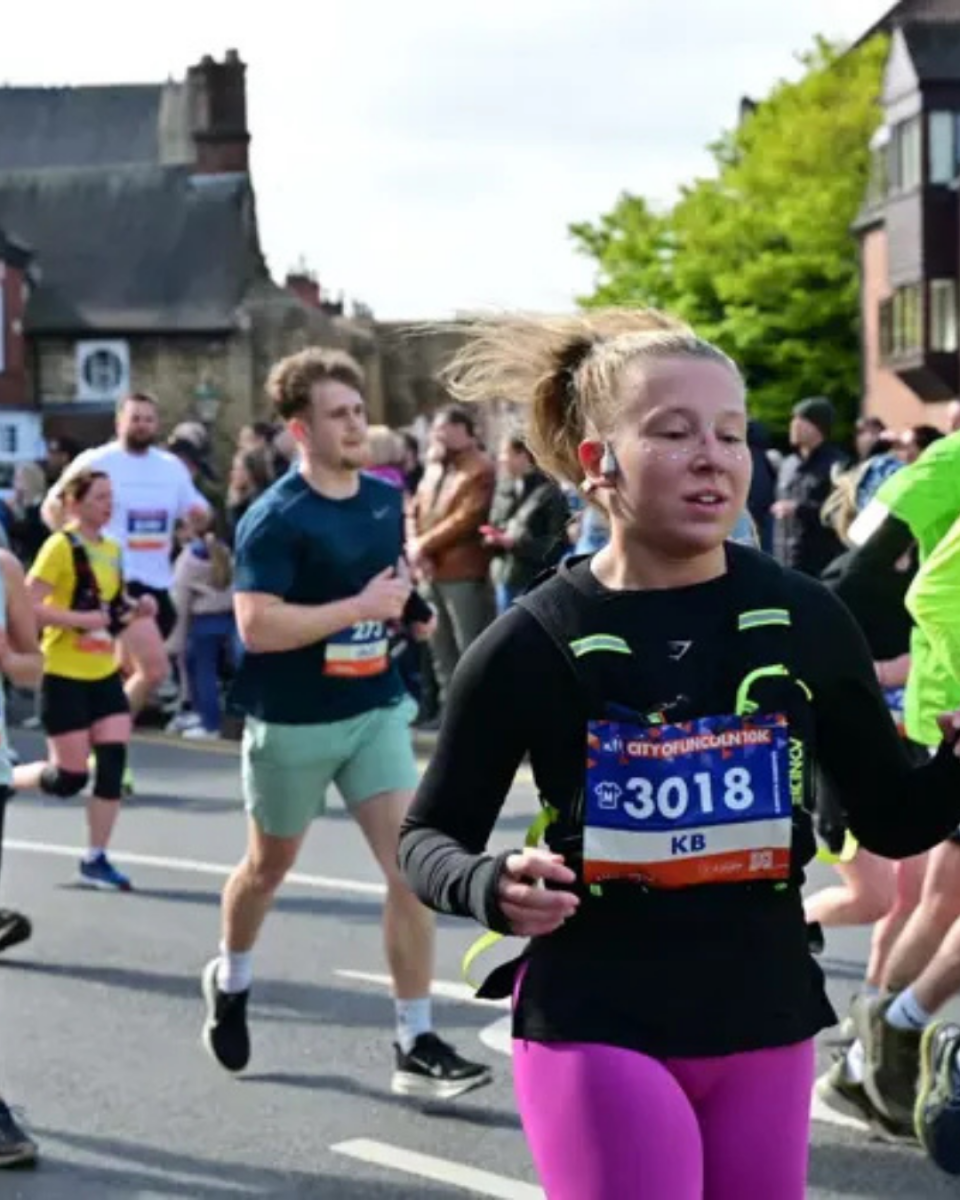
Lincoln’s sporting calendar caters for both competitors and those spectators who prefer to cheer from the pavement - coffee in hand.
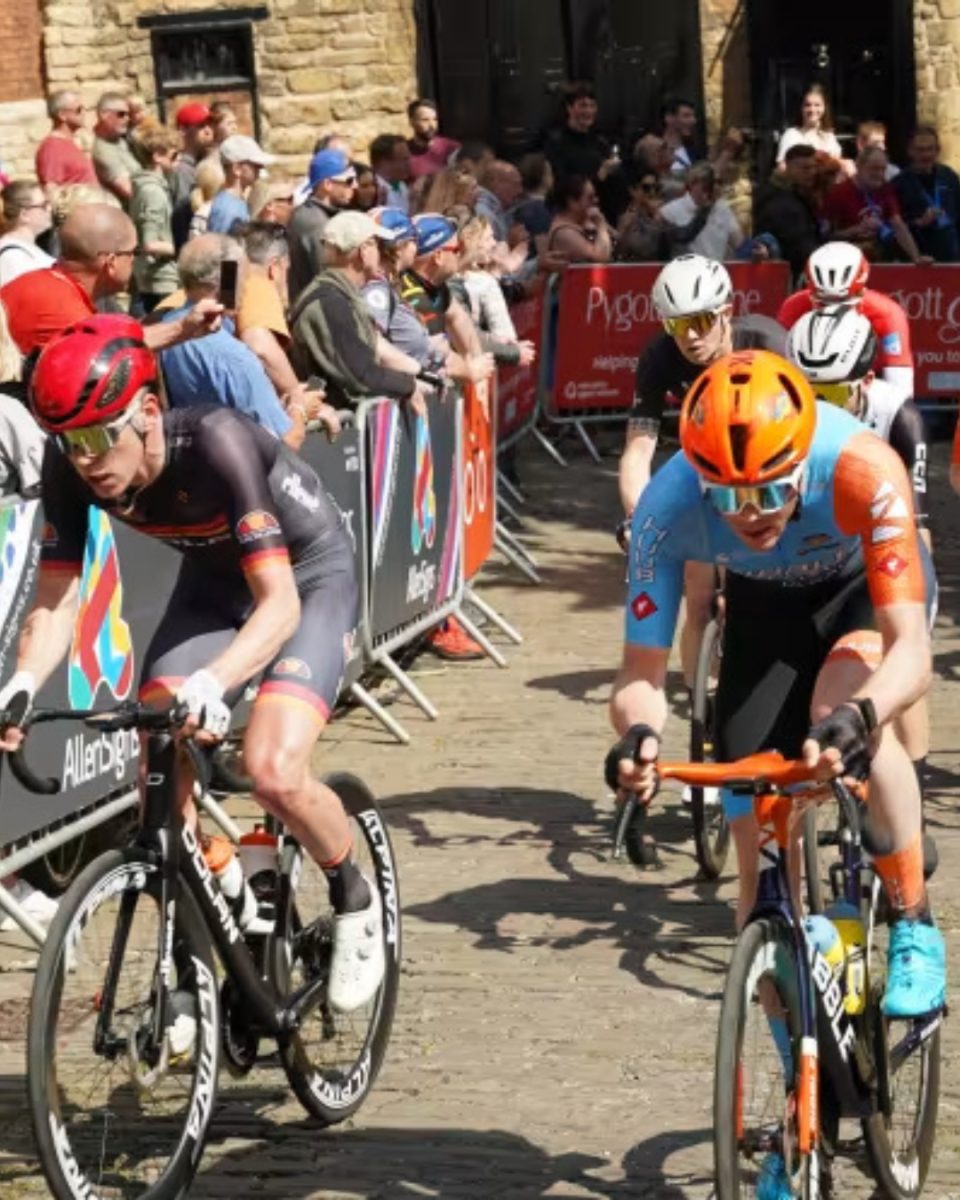
The Grand Prix brings professional cyclists into the historic centre, while the Lincoln Sportive road races invite thousands of amateurs onto the streets.
In September, the city’s cycling credentials went up a notch when the Tour of Britain brought professional cycling and national television coverage to Lincoln, with riders tackling the notorious cobbled climb of Michaelgate.
Few backdrops are as distinctive.
Here, sport does not need to compete with the city’s heritage; the two make a rather good team.
Michele Sims, manager of Lincoln’s Visitor Information Centre, believes this exposure is one of the biggest benefits of hosting sporting events.
“Having key sporting events raises the city’s profile nationally and even internationally,” said Michele, describing the Tour’s televised coverage of Lincoln and Lincolnshire as valuable additional marketing, with the potential to encourage visits during and after the event.
Research showed the race attracted online attention.
Visit Lincolnshire recorded 451,135 website sessions between July and September 2026, up 45 per cent from 310,854 during the same period in 2025.
Tour of Britain content views also peaked at approximately 1,600 in a single day, with the event page ranking fifth among the website’s most-visited pages that quarter.
Yes, a website visit is not quite the same as someone checking into a hotel, but the figures offer a glimpse of what a major sporting event can do - put Lincoln in front of people who might otherwise have visited elsewhere.
The numbers behind the sports
The 2026 Grand Prix brought around 300 professional cyclists and 800 amateur sportive riders into the city, while the Lincoln 10K attracted almost 5,000 runners in 2026.
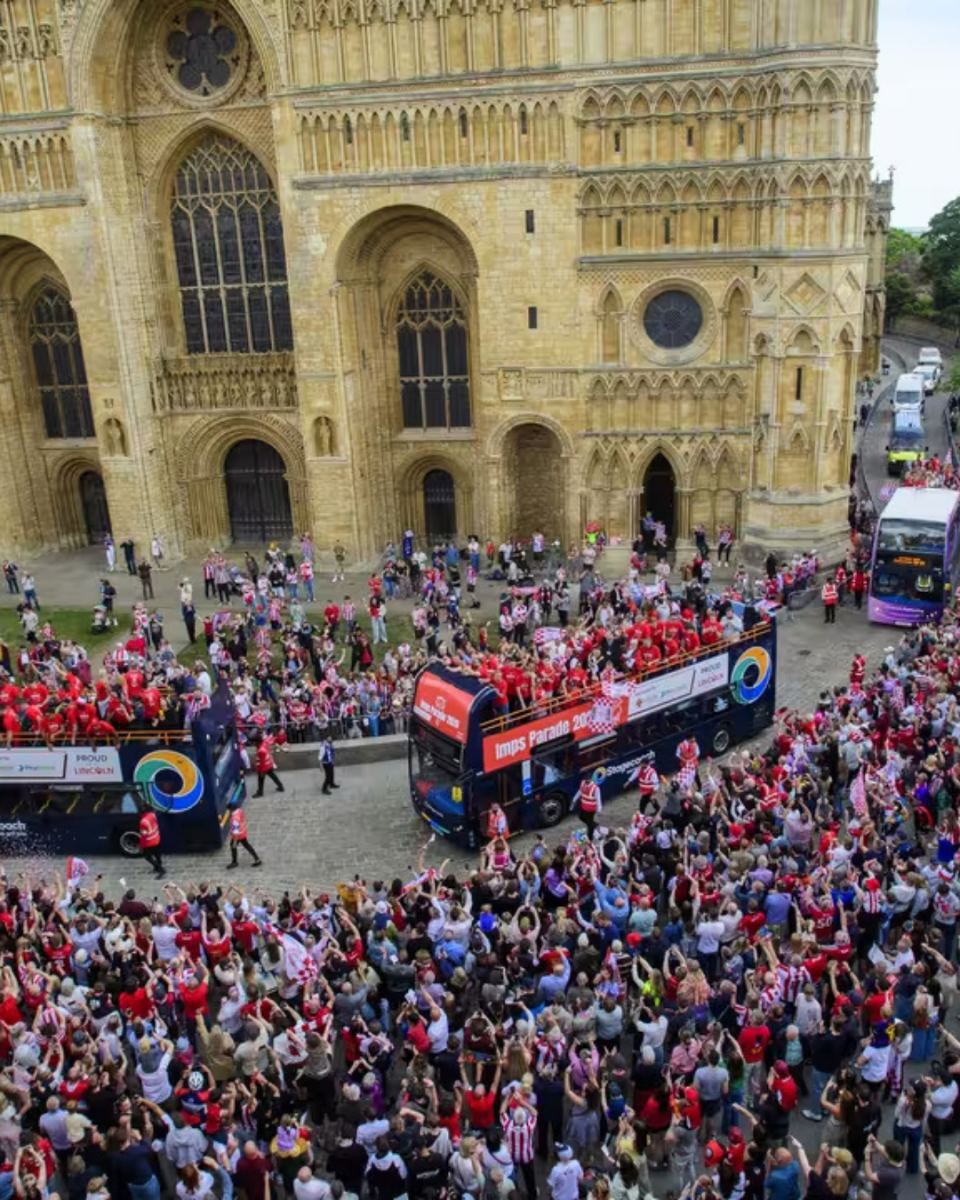
Then there are the Imps. Having won promotion from League One last season, Lincoln City FC is back in the Championship for the first time in 65 years, bringing second-tier football to the city for the first time since 1961.
We’ve already seen the likes of West Ham visit the ProAmpac Stadium, so the club’s achievement offers another potential draw to the city – to those visiting supporters from big clubs, who have never been to Lincoln before.
Looking ahead, the Lincoln Santa Fun Run returns on December 13 when around 2,000 Santas are expected to run and walk through historic uphill Lincoln, supported by even more family and friends, creating some Christmas magic and memories.
From elite cycling to a festive fun run, it’s the atmosphere among the crowds that matters and what they find in the city when their event has finished.
Sporting culture that reaches into everyday life in any city and Lincoln is no different.
Running clubs and weekly park runs offer everyday reasons to lace up trainers, while walking groups offer a slower way to explore the surrounding countryside, where the focus is on fresh air and company rather than chasing a personal best.
Padel is gaining a foothold, venues including Vida del Padel, gotpadelclub and Doddington Hall’s outdoor courts give residents another way to get active.
Boutique fitness studios are bringing Pilates and other classes into the city’s wellness scene, while Doddington Hall combines cycling routes and bike facilities with somewhere to refuel afterwards.
Exercise and a social life are not mutually exclusive.
When venues such as Nona Juana collaborate with running clubs and DJs, the reward for getting out of bed and moving your legs might be music, coffee and a catch-up with friends.
It is tempting to conclude that Lincoln is getting sportier, yet we’ve always had an active community, it’s just now we are simply more exposed to seeing more of it, as social media makes it easier for clubs, studios and independent businesses to promote events and bring people together.
These examples suggest Lincoln’s sporting culture is evolving, with community-led and collaborative events becoming as integral to participation as traditional competition.
There is also scope to make Lincoln’s sporting offer more distinctive.
Events such as the recent Nike’s women focused After Dark Tour, which brought runners onto London City Airport’s runway, show how unusual locations can create memorable experiences while raising awareness of the barriers women face when running in the darker months.
For Lincoln this could mean reimagining its own historic spaces for evening sporting events, creating organised, welcoming environments where women feel more comfortable taking part.
The city could also draw on its heritage through traditional sporting demonstrations, medieval archery experiences or challenges built around its famous cobbled streets, alongside guided or themed cycling paths, and trail-running weekends in the nearby countryside –
The city could offer experiences rooted in its history and landscape because where else can cyclists tackle the cobbles of Michaelgate beneath a medieval cathedral, before heading into the Lincolnshire countryside?
Building on that distinctive setting could give visitors a reason to come specifically for Lincoln, merging heritage and sport in a way that feels organically our own.