By Amelia Cosgrove

I attended the opening night of Doddington Hall’s sculpture exhibition expecting a pleasant stroll and came away eager to find out what goes into staging a show on this scale.
But first, I had a Regency fantasy to indulge.
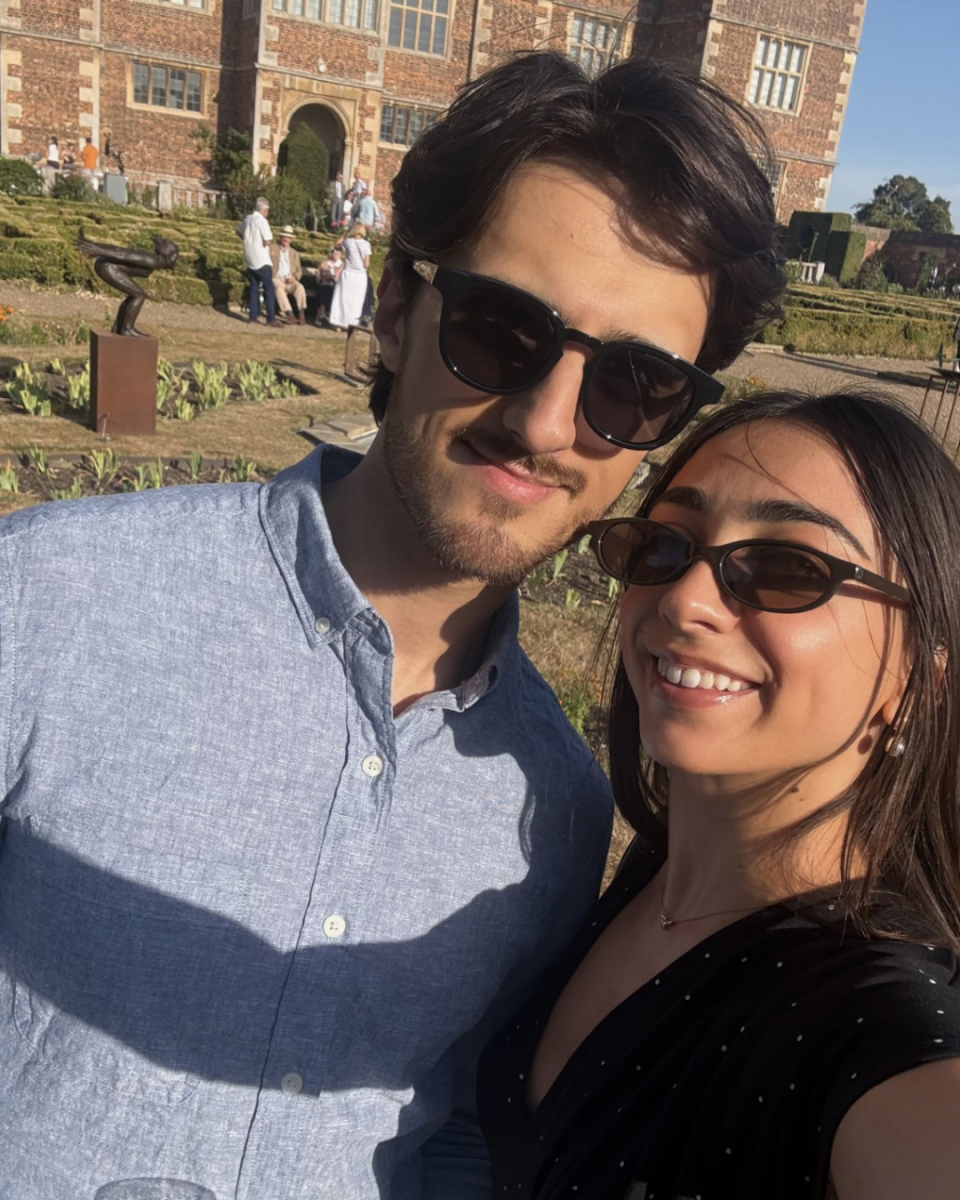
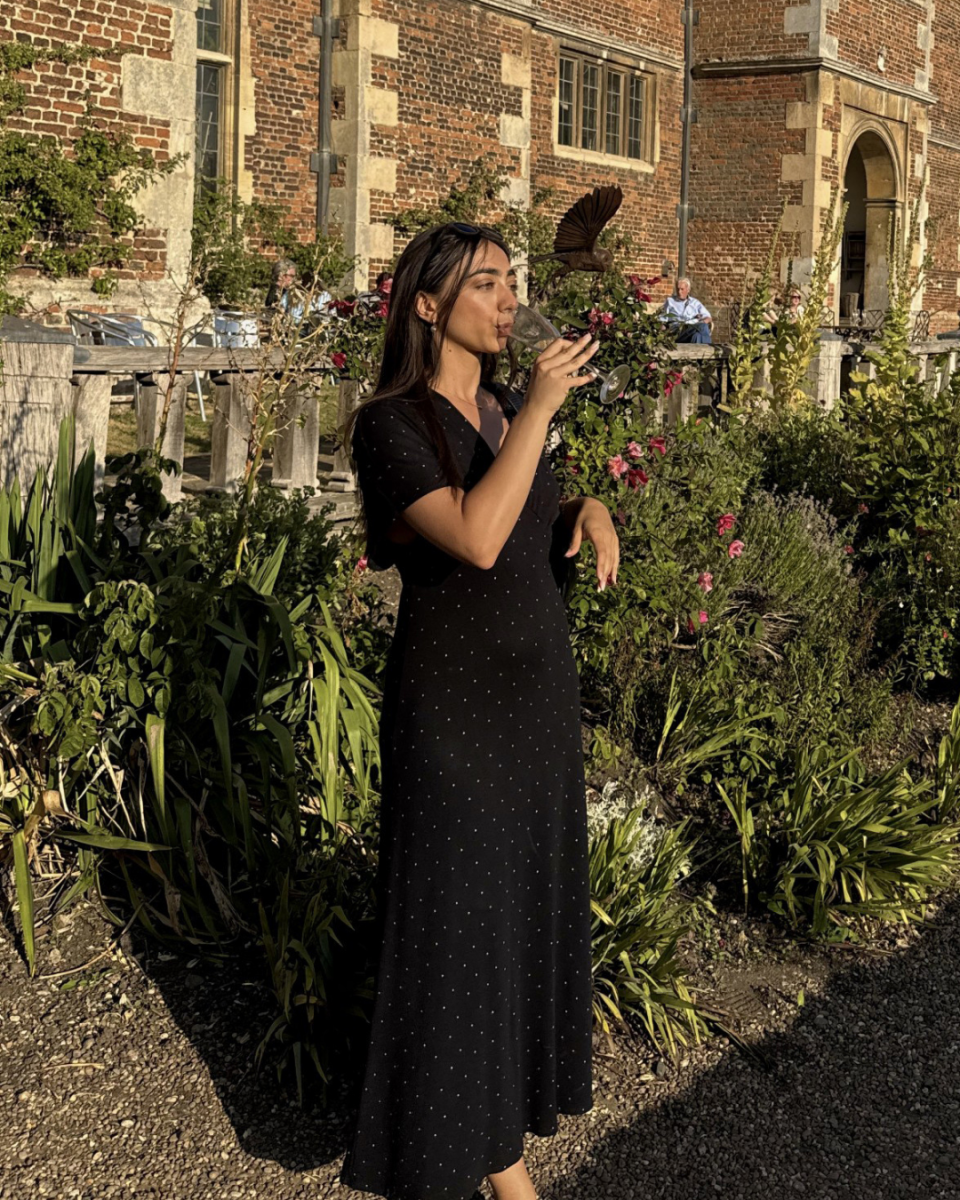
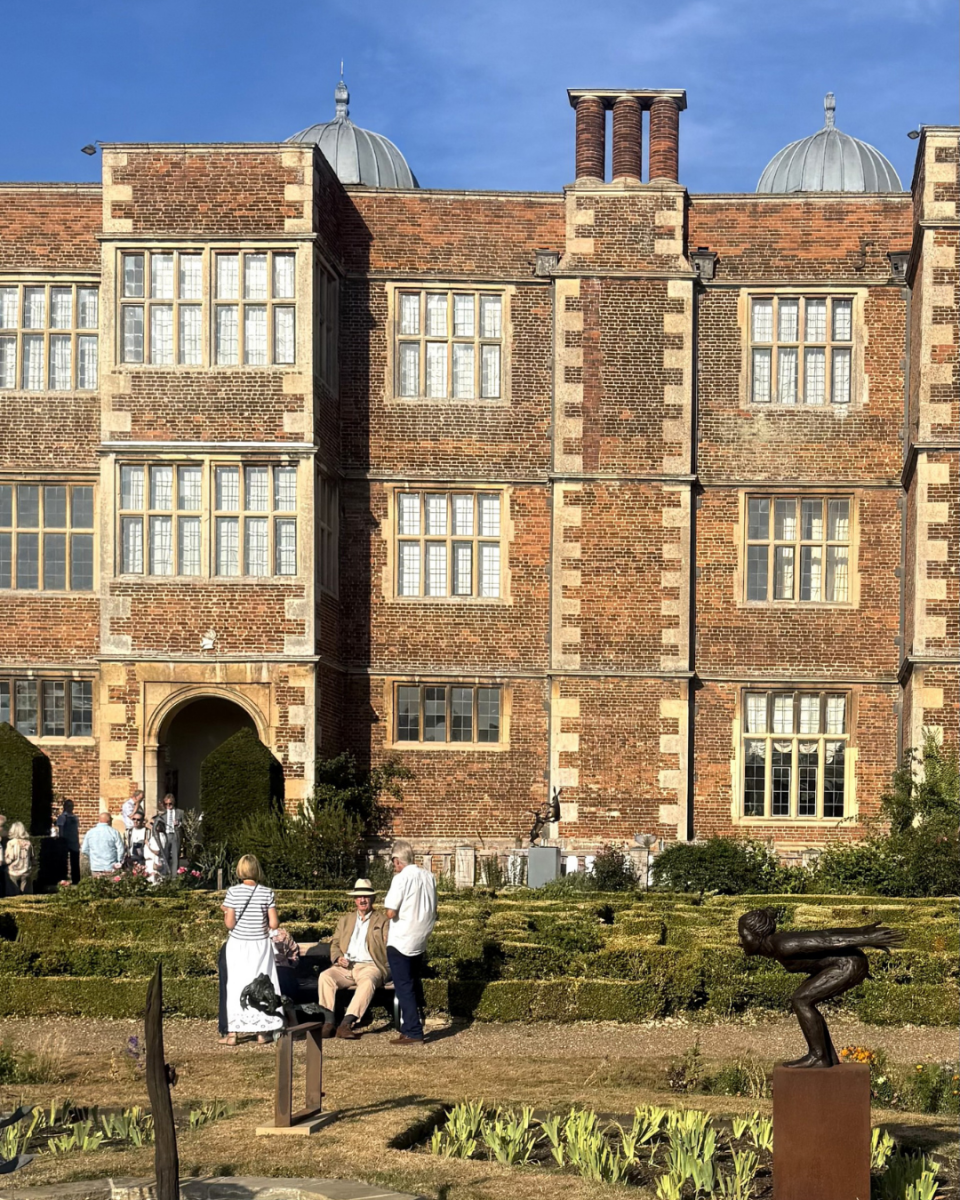
There is something reminiscent of Jane Austen or Bridgerton about a summer evening at Doddington Hall: guests wandering across the lawns in their finery, making polite conversation as they go, pausing every few steps to admire art.
Glass of bubbles in one hand and an arm linked with my gentleman suitor, I felt ready for a promenade…but this was no ordinary stroll through the grounds.
Across 32 zones, 65 artists have transformed the landscape into an open-air gallery, their sculptures and installations scattered throughout the estate for visitors to happen upon as they stroll.
I wanted to get into the logistics of how Curators David Waghorne and Kate MGovern spent the best part of a year matching the 360 pieces of artwork to the Elizabethan settings.
Curating an Open-Air Gallery
What became apparent speaking to David is that staging the Doddington Sculpture Exhibition is as much an logistical exercise as it is an artistic one - long before the first sculpture is installed or the first glass of fizz is poured, months of careful planning have already taken place.
Recruitment of sculptors begins in September, almost a year before the exhibition opens, with the final line-up confirmed by the New Year. And coordinating these 65 artists is, David explains a ‘massive communication and organisational undertaking’.
Ensuring variety sits at the heart of every exhibition decision.
"We deliberately try to cover all materials and styles, from figurative human form, animals and abstract," David explains. "The other thing is to cover all price points, so even if someone can only afford £50, they can still buy something to take home and enjoy. Prices this time start at £25 and go up to just under £50,000."
The result is an exhibition designed to be as accessible as it is inspiring, encouraging first-time buyers and seasoned collectors alike to discover something that speaks to them.
The Art Behind the Placement
Once the artists have been selected, the hands-on creative work begins - Kate oversees the indoor displays in the Barn Gallery, while David is responsible for every sculpture positioned throughout the estate's 32 outdoor zones.
‘‘It is then a process of selecting work with the sculptor and bearing in mind the different places and spaces at Doddington’’ David explains.
Every artwork is positioned to complement its surroundings, creating moments of surprise: “We like people to walk, see and sense, and in that, be in love with some pieces, dislike others, be puzzled, amazed, or surprised.”
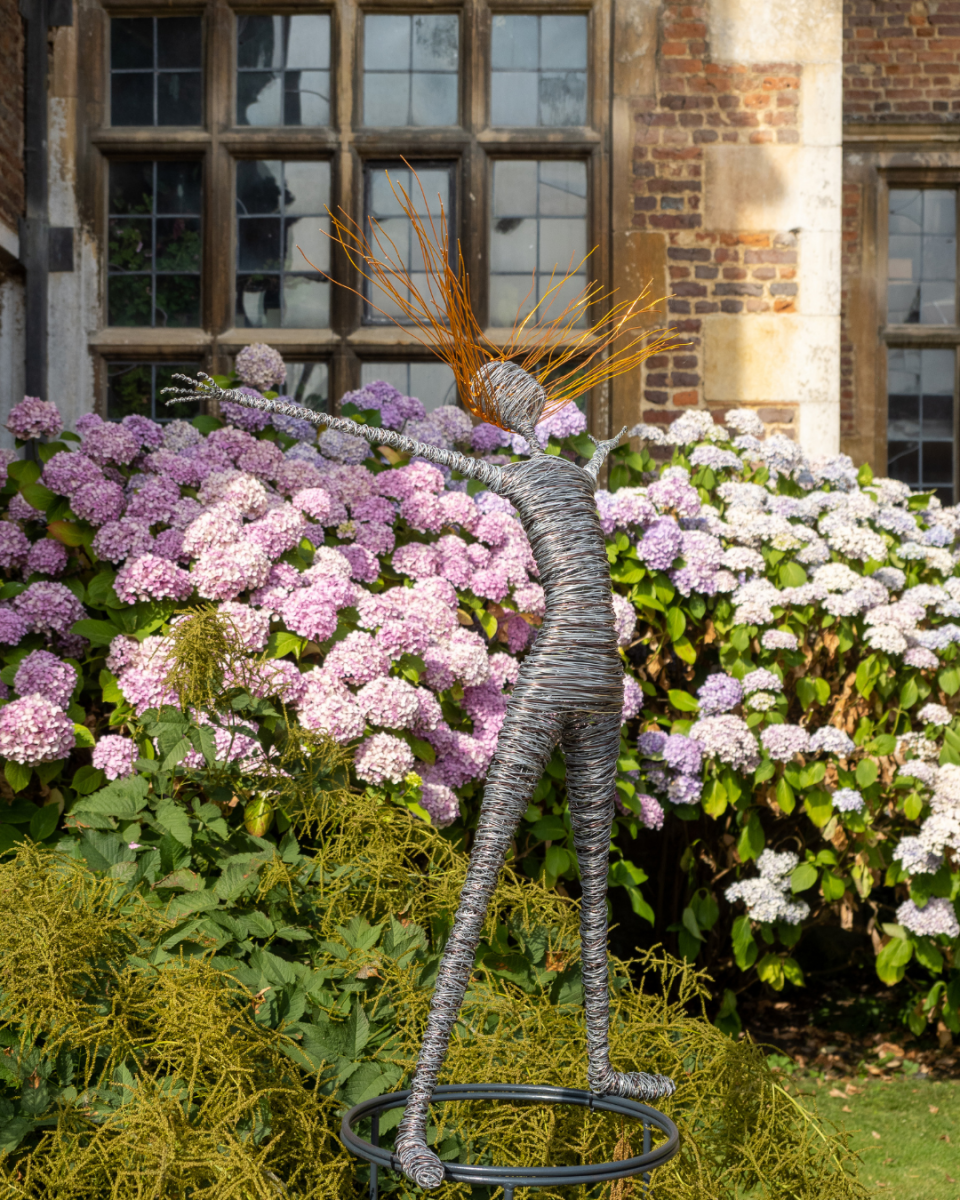
More Than a Walk Through the Gardens
Rather than simply finding an empty patch of lawn, each sculpture is carefully matched to its surroundings, with the landscape becoming an extension of the artwork itself.
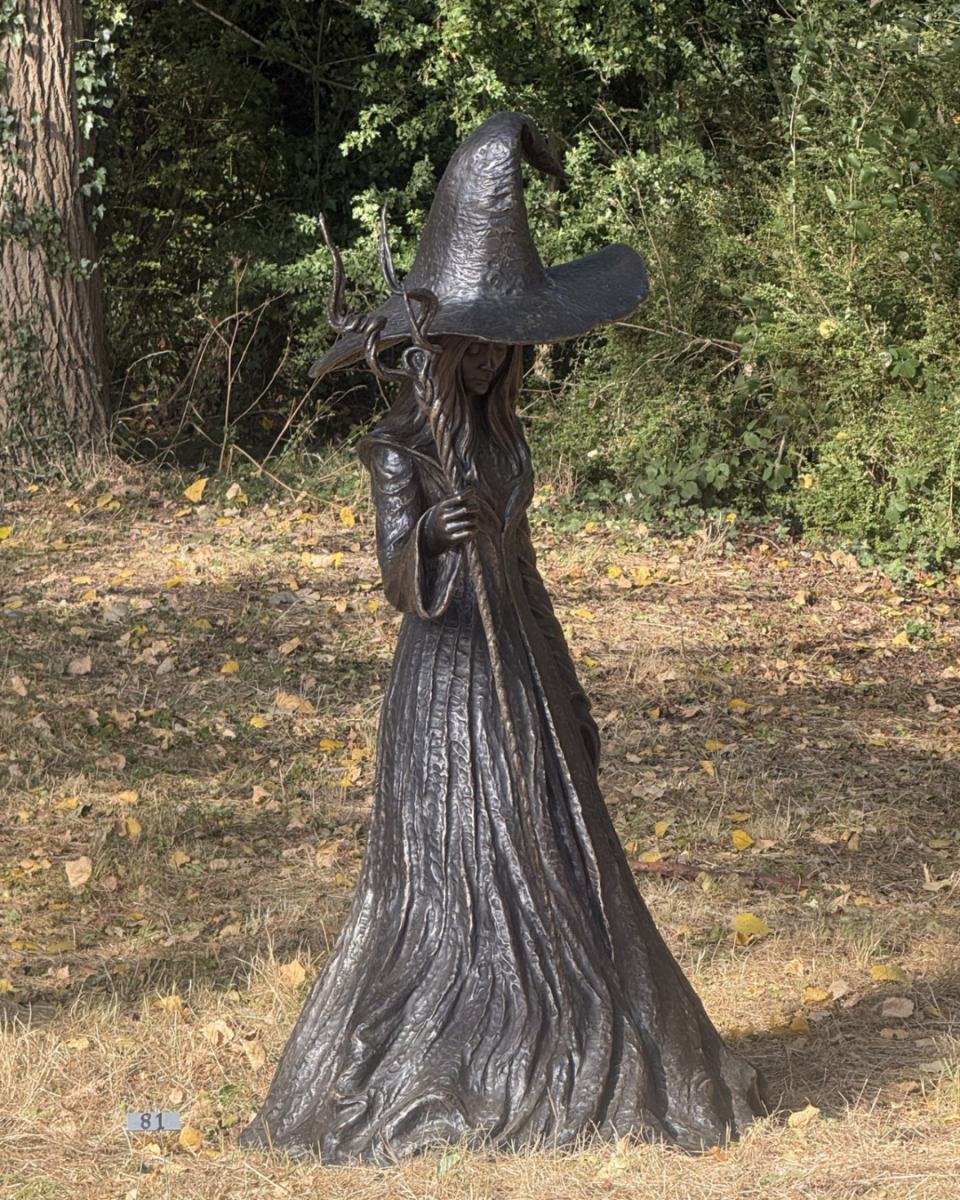
That thoughtful approach was evident throughout the exhibition. For me, two sculptures that spoke to me; The Witch, and the other, a bronze diver, poised in the illusion of a dive board at edge of a pond, as though frozen in that split second before plunging into the water. The clever placement created a deception of movement, it made the sculpture feel almost alive despite its solid bronze form.
Rather than telling visitors what to admire, the exhibition invites them to form their own opinions, creating an experience where every sculpture has the potential to spark a different emotional response.
Now an annual rather than biennial event, the exhibition continually evolves to ensure no two years feel the same.
This year's show introduces 42 sculptors making their Doddington debut, alongside an increased number of works celebrating British wildlife – a thoughtful reflection of the estate's ongoing rewilding programme and commitment to biodiversity.
I loved the fact the art isn't confined to white gallery walls but emerges from wildflower meadows, peeks through ancient trees and can be found in the most unexpected corners.
Ask David what he hopes visitors take away from the exhibition and he answers with delightful optimism.
‘‘That they think they do in fact like sculptures after all, as it can challenge every sense, it's an experience!’’.
Rather than feeling intimidating or reserved for seasoned collectors, the exhibition invites everyone to be curious with every piece selected to spark a conversation and emotion.